Showing posts with label stretch. Show all posts

Friday, May 14, 2021

Plant & Rake

👩‍🌾 Gardening is a great outdoor activity anyone can enjoy. BUT, like any other location in the home, the garden is also a place where injury can occur. 🌷

These helpful tips will keep your back in check and your garden in bloom.


✅ Warm Up Before you Start
Before you get going, warm up your muscles with a brisk 10-minute walk around the block or even on the spot. Swing your arms and lift your knees to enhance the benefits.

✅ S-t-r-e-t-c-h
Follow your warm up with these easy, low-impact stretches.
Repeat each stretch 5️⃣ times. Relax and do not overextend when you stretch.
Remember to take frequent stretch breaks while working in the yard.

1. Your Sides
• Extend your right arm over your head.
• Bend toward the left from the waist.
• Hold for 15 seconds and repeat on the other side.

2. Your Thighs
• Steady yourself against a tree, wall or railing.
• Bend your right knee and grasp the ankle with your left hand.
• Hold for 15 seconds and repeat with your left knee.

3. Your Back
• In a seated position, bend forward from the hips, keeping your head down.
• Touch your fingers to the ground.

4. Your Wrists

• Hold one arm out in front of you, palm down. Bend your wrist until the fingers point to the ground. Use your opposite hand to hold this position.
• Hold one arm in front of you and place your palm in the “stop” position. Use your opposite hand to hold this position.
• Place your hands in “prayer” position, and press your palms together.

5. Your Arms & Shoulders
• Let your arms hang loosely at your sides; rotate your shoulders back and forth.
• Hug yourself snugly and slowly rotate at the waist to the left and the right.

If you experience back pain that lasts more than a few days, consult with one of our experienced chiropractors for an evaluation.

#gardening #garden #yardwork #stretch #outdoors #chiropractor #chiropracticcare #newhamburgchiropractic #rehabilitation #wecanhelp #2020recordreadawards #newpatientswelcome #newhamburg #wilmot

Friday, March 2, 2018

Air Travel Comfort Tips


By Dr. John A. Papa, DC, FCCPOR(C)

Comfort is not usually the first word that comes to mind when someone mentions flying.  Sitting cramped in a small space for a long plane ride can also lead to muscle and joint pain.  Here are some helpful tips for a more enjoyable voyage.

Choose the Correct Seat - Some airlines fill the plane from front to back, so ask for a seat in the back row to increase your chances of having an empty seat next to you.  If the arm rests lift up, you might even be able to lie down.  Aisle and emergency exit seats maximize leg room and are less claustrophobic.  If you are susceptible to motion sickness, request a seat over the wings and try to schedule flights on larger airplanes.

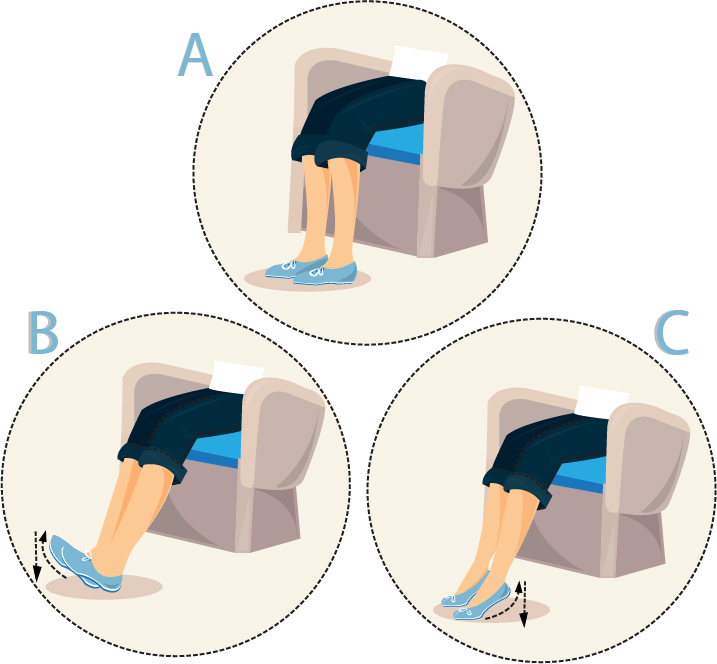
Keep Moving - Moving around is good for your circulation and helps to prevent swollen feet and ankles.  Wear loose clothing and walk about the cabin periodically every 60 to 90 minutes.  Wear shoes you can slip off easily.  Every so often, draw circles with your toes and contract your calves to help prevent blood from pooling in your legs.  Tapping your feet can also help increase circulation and reduce the chance of muscle cramping.

Stretch it out - Try not to place anything under the seat in front of you so you can stretch your legs out.  Quick and easy stretches also include standing up and raising your arms above your head, rotating your shoulders back and forth, and moving your head side to side.

Keep Good Posture While Seated - Position your lower back against the back of the chair to obtain the greatest amount of support for your spine.  A rolled sweater or blanket can also be used for added support.  Make sure that your weight is evenly distributed on your seat, your shoulders are not rounding forward, and you are not slouching.  Support your neck and head with a pillow if necessary and avoid awkward positions if trying to rest or sleep.  Try not to stay in one position for a long period of time.

Additional Tips
·     Eat Right - Eat a light, non-fatty meal just before you leave for the airport.  This can make handling turbulence a little easier.
·     Handling Pressure - Chewing gum, yawning or sucking on hard candies can help to relieve the pressure that builds up in your ears as the airplane ascends and descends.  This is not recommended for toddlers.  For young children, sipping a drink may help.
·      Prevent Dehydration - The air in most airplanes can dry out your skin and cause eye and nasal dryness.  Take a moisturizer with you for your skin and wear glasses instead of contact lenses to prevent eye dryness.  Drink enough water and steer clear of caffeine and alcohol as they further dehydrate you.  Alcohol can also interfere with your ability to sleep.

In the event that you suffer from ongoing muscle and joint pain following your trip, you should contact a licensed health professional.  For more information, visit www.nhwc.ca.  The author credits the CCA in the preparation of this educational information for use by its members and the public.

This article is a basic summary for educational purposes only.  It is not intended, and should not be considered, as a replacement for consultation, diagnosis or treatment by a duly licensed health practitioner.

Monday, February 13, 2017

Managing Muscle & Joint Pain While Travelling

By Dr. R. Greg Lusk, DC

Along with the weather, winter get-away travel plans are a common topic of conversation this time of year while making small talk with clients.  Upcoming travel is also a driving force for some to have a painful complaint checked out as they are dreading the travel process ahead and are hopeful that the pain can be lessened so they can enjoy the vacation as originally planned.  Even for those that book an initial appointment a mere few days before departure, which doesn't allow much time for treatment to yield results, learning some key things to keep in mind or do while travelling can empower them to manage their symptoms independently.

Let's start with luggage as managing a heavy suitcase can be difficult even when you're not in pain.  Try to be restrictive in what you pack to lessen the overall weight and consider multiple bags versus a single large and heavy one if you cannot pack light.  Use wheels and pull handles if available.  Lift luggage with a straight back, bend at your hips and knees, and avoid twisting through the spine.  Lifting in stages can also help avoid excessive strain.  For example, when lifting a bag into an overhead bin, it can first be lifted to the top of the seat and then into the bin in a separate action. Similarly, loading a suitcase in or out of the trunk can be broken into steps, such that you lift the bag onto the bumper or edge of the trunk and then into the actual trunk.

Prolonged sitting, while either waiting in a terminal or in a mode of transportation (e.g. car, train, plane, etc.) is a reality of travelling that can lead to pain and stiffness throughout the body.  The seats often don't provide much support to the low back or neck so you may need to bring or create your own.  You could purchase a lumbar support cushion, use a bunched-up sweater, or roll up a blanket or towel to put in the small of your back.  With respect to your neck, using a travel pillow that fits around your neck will decrease your risk of discomfort while resting or sleeping in a seated position.  Hips and knees can also get quite stiff with extended time spent sitting, particularly in crammed airline seats where you cannot stretch out, and especially if you have pain or arthritis in those joints.  If possible, stand up regularly, every 30-60 minutes, to stretch out and walk around.

In general, moving as much as possible is recommended but even short durations of 10-15 seconds are better than nothing.  Even simple exercises performed while sitting can be quite helpful.  For example, you can raise your heels up and down while keeping your toes on the ground and then lift and lower your toes while keeping your heels down.  You can also tighten and relax the muscles in your legs and if space permits straighten and bend your knees.  The motion will limber you up and promote blood circulation to your tissues.  The improved blood flow also decreases your risk of developing a blood clot in your legs, known as a Deep Vein Thrombosis, which can occur due to prolonged sitting or inactivity and is a significant health concern.

Wearing loose fitting clothing to allow easy movement and staying well hydrated are other suggestions to minimize muscle aches and maximize comfort when travelling.  This article is for general information purposes only and is not to be taken as professional medical advice.

Monday, January 30, 2017

Your Whole World Is On Your Shoulders

Ontario Chiropractic Association

A study in the Journal of Orthopaedics reported that 50-90% of pregnant women will likely experience lower back pain. This pain may persist after giving birth if you don’t take action.


Keep your back healthy at home
Here are some ways to reduce the risk of back and neck pain:
  • Lighten your load
    Choose a diaper bag that distributes weight evenly across your body to limit the stress of isolated muscles.
  • Stretch your body
    While your baby is old enough for tummy time, join them on the floor and do some exercises to stretch your neck and back.
  • Feed comfortably
    When nursing, avoid hunching and keep your baby close to you. Also choose a comfortable, upright chair with a pillow.
  • Keep your baby close
    Don’t stretch your arms out – bring your baby close to your chest before lifting. Consider wearing your baby on your front so you can alleviate the strain on your back.
  • Keep tub trouble at bay
    Avoid reaching or twisting when bending over a tub. When kneeling, use a non-slip mat to protect your knees.

Exercises/stretches to help alleviate your back pain at home:
  • Shoulder opener
    Breathing deeply and calmly, relax your stomach muscles
    Let your head hang loosely forward and gently roll from side to side
    Bring your hands up to your neck and gently massage the back of your head and neck
    Drop your arms to your sides, relax your shoulders & slowly roll them backward and forward for 15 seconds
  • Crossover
    Standing with feet shoulder width apart, raise your hands
    Bring your right elbow across your body while lifting your left knee
    Touch elbow to knee, remaining upright and repeat alternating sides for 15 seconds

For more information on Chiropractic Care, visit http://nhwc.ca/nhwc_chiropractic.html

Tuesday, December 27, 2016

MSK Health Tips for the Holiday Season

Canadian Chiropractic Association

 
This is the season to enjoy time with family and friends, mingle at holiday parties, or to simply relax at home. It surely is a bustling time of year where we need to be mindful of our health and wellbeing. In particular, your musculoskeletal (MSK) health shouldn’t be ignored even when you’re enjoying the holiday festivities.
 
Whether you are sitting patiently, walking the streets, dancing into the night, or hauling gifts – don’t get carried away by the excitement; stay mindful of your activities. Here are some strategies to help you remain healthy over the holidays1:
  1. Exercise Regularly: Regular exercise, including strengthening, can help build muscular endurance of your back muscles, enhancing function and stability. Check with a healthcare provider before starting a new exercise program or routine.
  2. Eat Well: We make hundreds of decisions about how we feed our bodies every day. Instead of striving to meet ambitious goals over the holiday, try to focus on making better decisions each day. Nourishing your body will help support tissue repair. Moreover, making healthier decisions every day can lead to better long-term health by improving bone density, muscle strength and much more.
  3. Straighten Up: To reduce the risk of developing pain or injury, ensure that you change posture frequently when sitting or standing. Check out our free app Straighten Up Canada, which can help you improve posture through unique exercises that can be practised almost anywhere.
  4. Be Mobile: Exercise and moving is important to your MSK health. Ensure that you work regularly on your mobility and flexibility as well. Warm-up and try regular stretching
  5. Avoid Prolonged Sitting: Time flies by if you are surrounded by loved ones. Consider taking breaks in between courses or drinks to stand up and move about. Invite your friends to join along.
  6. Rest: Late nights and early mornings can take a toll on your mind and body. Commit to a sleep ritual, even during the Holidays, to make sure you get quality rest. Getting enough sleep promotes the body to repair from the stress of your day. Other strategies can help you sleep more soundly, while caring for your MSK system. For example, when sleeping on your side, place a pillow between knees which will reduce the rotation of the lower back.
  7. Lift Right: Between the snow, decorations, gifts and more, the heavy loads can take a toll on your body and your back. Using proper lifting techniques will reduce the risk of injury. Try to avoid twisting while lifting. Also, when possible try to push rather than pull objects.
Don’t let pain or injury put a damper on the holidays so make sure to care of yourself this Season!
 
1 Edward Benzel, George Dohrmann, et. al. “30 Tips for Better Spine Health,” The American Academy of Spine Physicians. https://www.spinephysicians.org/cd/brochures/brochures/Brochure%2030%20Spine%20Tips%20Logo%20IBI-B3-0108-1.pdf

Monday, October 24, 2016

Pokemon No! Tips On How To Beat The Pain Caused By Your Favourite Digital Devices

Ontario Chiropractic Association


As you read this article, more than likely on your phone or tablet, take a moment to notice your posture. There’s a good chance that your back is hunched, your head is tilted forward and your shoulders are rounded. Many students from grade school to university spend a large portion of their day looking at a screen as they text friends, read e-books and write essays. Be sure to keep an eye on your posture during these activities. Your back and neck will thank you.


Did you know that bending your head to look at your phone can put up to 60 pounds of pressure on your spine? A 2014 study in Surgical Technology International showed that even a 15-degree head tilt adds 27 pounds of pressure. As we use our phones and laptops more and more, that stress adds up!
 
Hand-held devices aren’t going anywhere soon — they’re useful and convenient. As you tap and swipe, follow these tips to avoid the aches and pains that come with the digital age.


Take a break
Holding up your phone or tablet for extended periods of time can strain the muscles in your shoulders, arms and fingers. Let your arms rest at your sides every so often.
 
The 20-20-20 rule
Give your eyes a break! Every 20 minutes, take 20 seconds to look about 20 feet ahead (or as far as possible).
 
Change positions
Next time you’re thinking of pulling an all-nighter, try to avoid sitting for longer than 30 minutes at a time. Get up and walk around!
 
Aim higher
Raise your phone up closer to eye level to reduce strain on your neck. When watching lectures on your tablet or laptop, be sure to prop it up against something so your shoulders and arms can relax.
 
Stretch it out
Slowly turn your head towards your left shoulder, hold for five seconds and repeat on your right side. You can also download Straighten Up Canada! — a free app developed by Canada’s chiropractors with videos of stretches you can do to help your posture in just three minutes!


The only thing that’s more important than “perfect” posture is movement. If you still have pain and discomfort after trying these tips, visit a chiropractor to develop a plan to keep you pain-free in the classroom.

Wednesday, August 10, 2016

Considerations For Shoulder Pain - Part 2

By Dr. R. Greg Lusk, DC

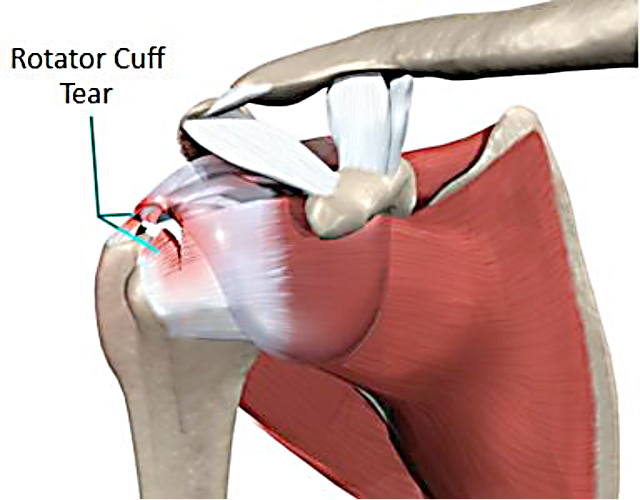
Last month's article introduced causes of shoulder pain and focused on the structure and general function of the shoulder through ranges of motion.  As a ball and socket joint, it high-lighted the importance of the ball staying well centred in its socket as you move your arm, so as to avoid injury or irritation to the various soft tissues around the shoulder.  That being said, it is possible to have "damage" to your rotator cuff without any symptoms.  Research using diagnostic imaging (i.e. MRI/ultrasound) has shown that up to 40% of elite overhead athletes have asymptomatic rotator cuff tears.  They are also found in the general population at an increasing frequency with advancing age.  Up to 1 in 5 people aged 60 to 69 and 31% of those aged 70 to 79 have been shown to have symptom free cuff tears.  This clearly shows that normal function can be preserved despite structural changes and offers encouragement that satisfactory function can be restored after an injury even when incomplete healing occurs.


So, this begs the question "What can be done to preserve or optimize shoulder function?"  Maintaining good posture is a good place to start.  This allows the shoulder blades, the "sockets", to move as they should, stay out of the way, and keep "the ball" well positioned.  To illustrate this, stand with an intentionally poor posture with your mid back and shoulders hunched as much as possible.  Now try to raise your arms forward and up as high as you can and take note of your range.  Then, stand with good posture - back erect and your shoulders pulled back slightly - and raise your arms again.  If done properly you should notice that the range of your shoulder motion is greater with better posture.  The shoulder blades can tip backward as needed and not be limited by the rib cage, thereby allowing your arms to end up near your ears.  Therefore, if you need to reach high for things or are doing overhead exercises, be sure to start with a good posture.  A good overall posture also decreases strain on the neck, which is often an overlooked source of pain that is perceived at the shoulder.
 
 
Improving mid back mobility is also important.  While lifting your arms as described above, your mid back should extend slightly to assist the motion.  However, this area of the back, the thoracic spine, is commonly stiff due to the many hours we spend being sedentary with a slouched body position and doesn't move as freely as needed.  Fortunately there are a number of things you can do to improve mobility here.  Starting simply, you could lie on the floor with a small, rolled-up towel lying under and across your mid back.  As you relax and lay flat this will arch your back slightly, and you can also adjust your body up or down to target different areas.  To get more aggressive over time you can use a foam roller to increase the arch even further.

 
Maintaining the health and flexibility of shoulder soft tissues, rotator cuff muscle strength and stability, and other shoulder blade motions are additional aspects of a well functioning shoulder.  However, unlike the above considerations that are almost universally applicable, what may be needed for each individual is quite variable and is best assessed on a case by case basis by a skilled health care professional.

 
This article is for general information purposes only and is not to be taken as professional medical advice.

Friday, March 25, 2016

Your Whole World Is On Your Shoulders

Ontario Chiropractic Association


Now that your little one is born, you’re learning what putting baby first means to your body.

While that’s normal, taking care of your health is equally important.
 
Let’s face it – lifting an infant several times a day is hard work, and can create damage to your back if you’re not careful. With a baby in one arm and a diaper bag on the other, keeping the stress off your lower back is another balancing act to master. Luckily, a chiropractor can help you.

 
Did you know?
A study in the Journal of Orthopaedics reported that 50-90% of pregnant women will likely experience lower back pain. This pain may persist after giving birth if you don’t take action.

 
Keep your back healthy at home
Here are some ways to reduce the risk of back and neck pain:
  • Lighten your load - Choose a diaper bag that distributes weight evenly across your body to limit the stress of isolated muscles.
  • Stretch your body - While your baby is old enough for tummy time, join them on the floor and do some exercises to stretch your neck and back.
  • Feed comfortably - When nursing, avoid hunching and keep your baby close to you. Also choose a comfortable, upright chair with a pillow.
  • Keep your baby close - Don’t stretch your arms out – bring your baby close to your chest before lifting. Consider wearing your baby on your front so you can alleviate the strain on your back.
  • Keep tub trouble at bay - Avoid reaching or twisting when bending over a tub. When kneeling, use a non-slip mat to protect your knees.
  •  
Exercises/stretches to help alleviate your back pain at home:
  • Shoulder openerBreathing deeply and calmly, relax your stomach muscles
    Let your head hang loosely forward and gently roll from side to side
    Bring your hands up to your neck and gently massage the back of your head and neck
    Drop your arms to your sides, relax your shoulders & slowly roll them backward and forward for 15 seconds
  • CrossoverStanding with feet shoulder width apart, raise your hands
    Bring your right elbow across your body while lifting your left knee
    Touch elbow to knee, remaining upright and repeat alternating sides for 15 seconds

Monday, February 8, 2016

Air Travel Comfort Tips

By:  Dr. John A. Papa, DC, FCCPOR(C)

Comfort is not usually the first word that comes to mind when someone mentions flying.  Sitting cramped in a small space for a long plane ride can also lead to muscle and joint pain.  Here are some helpful tips for a more enjoyable voyage.

Choose the Correct Seat - Some airlines fill the plane from front to back, so ask for a seat in the back row to increase your chances of having an empty seat next to you.  If the arm rests lift up, you might even be able to lie down.  Aisle and emergency exit seats maximize leg room and are less claustrophobic.  If you are susceptible to motion sickness, request a seat over the wings and try to schedule flights on larger airplanes.

Keep Moving - Moving around is good for your circulation and helps to prevent swollen feet and ankles.  Wear loose clothing and walk about the cabin periodically every 60 to 90 minutes.  Wear shoes you can slip off easily.  Every so often, draw circles with your toes and contract your calves to help prevent blood from pooling in your legs.  Tapping your feet can also help increase circulation and reduce the chance of muscle cramping.

Stretch it out - Try not to place anything under the seat in front of you so you can stretch your legs out.  Quick and easy stretches also include standing up and raising your arms above your head, rotating your shoulders back and forth, and moving your head side to side.

Keep Good Posture While Seated - Position your lower back against the back of the chair to obtain the greatest amount of support for your spine.  A rolled sweater or blanket can also be used for added support.  Make sure that your weight is evenly distributed on your seat, your shoulders are not rounding forward, and you are not slouching.  Support your neck and head with a pillow if necessary and avoid awkward positions if trying to rest or sleep.  Try not to stay in one position for a long period of time.

Additional Tips

·        Eat Right - Eat a light, non-fatty meal just before you leave for the airport.  Avoid caffeinated beverages and fried food.  This can make handling turbulence a little easier.

·        Handling Pressure - Chewing gum, yawning or sucking on hard candies can help to relieve the pressure that builds up in your ears as the airplane ascends and descends.  This is not recommended for toddlers.  For young children, sipping a drink may help.

·        Prevent Dehydration - The air in most airplanes can dry out your skin and cause eye and nasal dryness.  Take a moisturizer with you for your skin and wear glasses instead of contact lenses to prevent eye dryness.  Drink enough water and steer clear of caffeine and alcohol as they further dehydrate you.  Alcohol can also interfere with your ability to sleep.

In the event that you suffer from ongoing muscle and joint pain following your trip, you should contact a licensed health professional.  For more information, visit www.nhwc.ca.  The author credits the CCA in the preparation of this educational information for use by its members and the public.
 
This article is a basic summary for educational purposes only.  It is not intended, and should not be considered, as a replacement for consultation, diagnosis or treatment by a duly licensed health practitioner.

Wednesday, December 17, 2014

Holiday Health Tips: Ensure Your Holiday Isn’t A Pain In The Neck

Alberta College and Association of Chiropractors


Enjoying your holiday can easily become a painful experience. Here are some helpful tips from Alberta’s chiropractors to ensure your holiday season is full of joy and pain free: 
 
  • If you have to drive more than two hours to visit friends and relatives, take a break - get out of your vehicle and stretch. This temporarily restores normal posture, which will help prevent a recurrence of neck or lower back pain or conditions. 
  • When loading your vehicle for the trip, organize your luggage and packages into smaller loads instead of one large suitcase, cardboard box or carrying case. 
  • Wear your seatbelt and adjust vehicle headrests so that they are no more than two inches behind the centre of the back of the head. Many of the estimated 20 million car accident victims suffering whiplash injuries in North America could have prevented much of the injury had their vehicle seat headrests been adjusted properly.  
  • It’s OK to be a couch potato, but don’t slouch on the sofa and don’t fall asleep on the recliner, as two or three vertebrae in the spine can assume a sharp angle. When you sit up, the normal movement is not restored. Chiropractors often see patients walking into their offices with their heads held sideways, because slouching irritates the nerves and blood vessels, causing muscle spasm.
  • Avoid bending directly over the oven door to lift out the turkey. Crouch down, pull out the oven shelf and use your legs for better balance. This helps reduce the potential of unnecessary strain on the lower spine. 
 
If you experience back, muscle or joint pain, consult a chiropractor. Chiropractors are specialists in back and neck disorders and are specifically trained to diagnose and correct spinal dysfunction.
 
For more information on chiropractic, visit www.nhwc.ca

Wednesday, February 19, 2014

Air Travel Comfort Tips

By Dr. John A. Papa, DC, FCCPOR(C)


Comfort is not usually the first word that comes to mind when someone mentions flying.  Sitting cramped in a small space for a long plane ride can also lead to muscle and joint pain.  Here are some helpful tips for a more enjoyable voyage.
 
Choose the Correct Seat - Some airlines fill the plane from front to back, so ask for a seat in the back row to increase your chances of having an empty seat next to you.  If the arm rests lift up, you might even be able to lie down.  Aisle and emergency exit seats maximize leg room and are less claustrophobic.  If you are susceptible to motion sickness, request a seat over the wings and try to schedule flights on larger airplanes.
 
Keep Moving - Moving around is good for your circulation and helps to prevent swollen feet and ankles. Wear loose clothing and walk about the cabin periodically every 60 to 90 minutes.  Wear shoes you can slip off easily.  Every so often, draw circles with your toes and contract your calves to help prevent blood from pooling in your legs.  Tapping your feet can also help increase circulation and reduce the chance of muscle cramping.
 
Stretch it out - Try not to place anything under the seat in front of you so you can stretch your legs out.  Quick and easy stretches also include standing up and raising your arms above your head, rotating your shoulders back and forth, and moving your head side to side.
 
Keep Good Posture While Seated - Position your lower back against the back of the chair to obtain the greatest amount of support for your spine.  A rolled sweater or blanket can also be used for added support.  Make sure that your weight is evenly distributed on your seat, your shoulders are not rounding forward, and you are not slouching.  Support your neck and head with a pillow if necessary and avoid awkward positions if trying to rest or sleep.  Try not to stay in one position for a long period of time.

 
Additional Tips
·        Eat Right - Eat a light, non-fatty meal just before you leave for the airport.  Avoid caffeinated beverages and fried food.  This can make handling turbulence a little easier.
 
·        Handling Pressure - Chewing gum, yawning or sucking on hard candies can help to relieve the pressure that builds up in your ears as the airplane ascends and descends.  This is not recommended for toddlers.  For young children, sipping a drink may help.
 
·        Prevent Dehydration - The air in most airplanes can dry out your skin and cause eye and nasal dryness.  Take a moisturizer with you for your skin and wear glasses instead of contact lenses to prevent eye dryness.  Drink enough water and steer clear of caffeine and alcohol as they further dehydrate you.  Alcohol can also interfere with your ability to sleep.
 
In the event that you suffer from ongoing muscle and joint pain following your trip, you should contact a licensed health professional.  For more information, visit www.nhwc.ca.  The author credits the CCA in the preparation of this educational information for use by its members and the public.
 
This article is a basic summary for educational purposes only.  It is not intended, and should not be considered, as a replacement for consultation, diagnosis or treatment by a duly licensed health practitioner. 

Saturday, December 7, 2013

Text Neck: How To Avoid Strains And Pains

Ontario Chiropractic Association (OCA)


Our modern digital age has brought us many conveniences. BlackBerry devices, iPhones, tablets and e-readers allow us to communicate and be entertained with the push of a button. Technology can improve our quality of life, but it comes with a price: being huddled over devices for long period of times can do more harm than good.
 
Using certain devices for extended periods of time can easily lead to neck strain, headaches, and pain in the shoulders, arms and hands. Anyone who has used a cellphone or tablet for an extensive amount of time has probably experienced the peculiar strain it puts on your upper body. These conditions even have their own name now: Text Neck.
 
Here are some simple strategies to help shut down text neck strain:
 
Take frequent breaks
Taking frequent breaks and looking up from your device can provide your neck with some relief from the pressure of looking down.
 
Sit up straight
It is important to sit up straight while texting. This way you can maintain good posture, relieving your back and shoulders from the strain of being hunched over.
 
Hold the phone a little higher
Holding the phone closer to eye level helps maintain a healthy posture and puts less strain on the neck.
 
Stretch
Be sure to stretch often between long periods of extended use of devices. You can rotate your shoulders with your arms by your sides to relieve tension. You can also tuck your chin down to your neck and then look up – this helps to relieve some of the tension in your neck built from the common forward-down position you adopt when looking at your device.

Monday, September 23, 2013

Fall Gardening

Get Set to Garden

Ontario Chiropractic Association

Now that fall is here, many of us are preparing our gardens for the winter, which can be just as strenuous as setting them up in spring! Here are some tips to avoid back pain while gardening.

Plant and Rake Without the Ache

Gardening is a great way to stay active and have fun in the sun. But many Canadians sustain injuries that can be easily prevented with a little know-how.
 

The right moves

Use the right moves to lighten the load on your back. Kneel, don’t bend, to plant. Change your body position often. Take frequent breaks. Alternate between light and heavy chores. Drink lots of water. And most importantly, loosen-up before you start out.
 

Warm up

Before you begin any physical activity, warming up is a key factor in preventing injury. Take a walk, even on the spot. Ten to 15 minutes should do it. Don’t forget to lift your knees and gently swing your arms.
 

Stretch before you start

To plant and rake without the ache, do each of these stretches five times. Don’t bounce, jerk or strain. Stretches should be gentle and should not cause pain.
 

Upper Body

Your sides

  1. Extend your right arm over your head.
  2. Bend to the left from the waist.
  3. Hold for 15 seconds and repeat on the other side.

Your arms and shoulders

  1. Hug yourself snugly.
  2. Slowly rotate at the waist as far as is comfortable to the left, then to the right.

Your back

  1. In a seated position, bend forward from the hips, keeping your head down.
  2. Reach for the ground.

Lower Body

Your thighs

  1. Face a wall or tree and support yourself against it with one arm.
  2. Bend your right knee and grasp your ankle or pant leg with your left hand.
  3. Hold for 15 seconds and repeat on the other side.

Your hamstrings

  1. Stand.
  2. Reach your hands to the sky.
  3. Then bend at the waist and reach toward your toes.
  4. Hold for 15 seconds.