Showing posts with label shoulder pain. Show all posts

Tuesday, February 2, 2021

New Hamburg Graston Soft Tissue Therapy

Graston Technique® is an instrument-assisted soft tissue mobilization therapy that enables practitioners to effectively break down scar tissue and fascial restrictions. 

The Graston Technique® utilizes specially designed stainless steel instruments to specifically detect and effectively treat areas exhibiting soft tissue fibrosis or chronic inflammation.


Graston Soft Tissue Therapy has been clinically proven to achieve quicker and better outcomes in treating acute and chronic soft tissue conditions.


If you suffer from:


Cervical sprain/strain (neck pain)

Lumbar sprain/strain (back pain)

Carpal Tunnel Syndrome (wrist pain)

Plantar Fasciitis (foot pain)

Lateral Epicondylitis (tennis elbow)

Achilles Tendonitis (ankle pain)

Medial Epicondylitis (golfer's elbow)

Shin Splints

Rotator Cuff Tendonitis (shoulder pain)

Patellofemoral Disorders (knee pain)

Trigger Finger

ITB Syndrome

Sprain and Strain Injuries

Scar Tissue


...then Graston Soft Tissue may help!  Contact our office to see one of our Chiropractors specially trained in treating soft tissue injuries.

Call 519-662-4441

or Email info.nhwc@bellnet.ca

#chiropractic #newhamburgchiropractic #newhamburgwellness #graston #softtissuetherapy #wecanhelp #neckpain #backpain #wristpain #footpain #tenniselbow #anklepain #golferselbow #shinsplints #shoulderpain #kneepain #triggerfinger #ITBsyndrome #sprains #strains #scartissue #recordreaderaward2020 #newpatientswelcome #newhamburg #wilmot


Monday, June 4, 2018

Solutions for Overcoming Poor Sitting Posture


By Dr. John A. Papa, DC, FCCPOR(C)

An ideal posture allows an individual to maintain an efficient, strong, and balanced position while interacting and adapting to their physical environment.  Good postural habits can help decrease abnormal and excessive physical strain on the body, thereby minimizing the chance of injury.

Unfortunately, modern technology has significantly influenced our daily postural habits, which has resulted in having people sit more often and for longer periods of time.  Individuals exposed to these sitting positions may adopt a poor posture that includes losing the natural hollow of the low back, rounding or slouching of the upper back and shoulders, and a forward head poking position.

Less than ideal posture puts cumulative compression, stretch, and shear forces on the body.  The cumulative effects of sitting are often offset by the body’s ability to compensate.  However, even in the absence of pain, these compensatory changes may begin a vicious cycle of unbalanced motion, muscle and joint stress, and secondary areas of discomfort.  As a result, the physical consequences of chronic poor posture can lead to symptoms such as muscle and joint stiffness, nerve pain, headaches, shoulder pain, neck pain, upper and lower back pain.

Listed below are some potential solutions that can minimize the chance of postural injury, specifically as it pertains to the sitting position:

1.    Pay attention to how you sit by making sure weight is evenly distributed in your seat, your shoulders are not rounding forward, and you are not slouching.  Your head should be resting on your torso and not poking forward.

2.   Take a break from sitting with 10 to 30 second stretch or posture breaks every 20 to 40 minutes.  Some activities such as computer work, talking on the phone, and business meetings can also be done while standing.

3. The use of a properly designed workstation (i.e. adjustable chair and desk), along with ergonomic tools and assistive devices (i.e. speakerphones, foot stools, lumbar supports) can help maintain mechanically advantageous positions while working in a seated position.

4.    Avoid unnatural positions such as looking down, awkward twisting, or slouching for long periods of time as this can cause unnecessary strain.  A simple solution may be to bring your smartphone, tablet, or book closer to eye level, or adjusting your seat position to help you maintain a more natural/neutral position.

5.    Engaging in regular physical activity and exercise can keep your body strong and help overcome the effects of cumulative strain associated with poor posture.  Exercise activities can include general cardiovascular conditioning, along with postural, stretching and strengthening exercises for the neck, shoulders, upper and lower back regions.

Prolonged sitting and poor posture can undeniably cause real physical change and breakdown in the body.  If you have ongoing pain as a result of postural strain, you should contact a licensed health professional who deals in the diagnosis and treatment of these conditions.  For more information visit www.nhwc.ca.

This article is a basic summary for educational purposes only.  It is not intended, and should not be considered, as a replacement for consultation, diagnosis or treatment by a duly licensed health practitioner.

Tuesday, November 8, 2016

Treatment & Prevention Of Whiplash Injuries

By Dr. John A. Papa, DC, FCCPOR(C)

The unique forces generated during a motor vehicle collision (MVC) cause more than 100,000 whiplash cases in Canada each year.  This article will specifically focus on the treatment and prevention of whiplash injuries.

The term WAD (Whiplash Associated Disorder) is used to describe a range of injuries that can be attributed to whiplash.  This may include:  neck pain, whole body muscle pain/ache, jaw pain, referred arm pain, shoulder or other joint pain, mid back pain, low back pain, headaches, dizziness, and tinnitus.

WAD Grades 1 and 2 represent the majority of whiplash cases and are amendable to conservative management.  Early treatment and consultation can greatly improve the recovery process and prevent future complications and chronic pain.  Effective treatment strategies may include: pain controlling modalities such as electrotherapy and acupuncture to help facilitate and promote activity and functioning; manual and soft tissue therapy to assist in the healing of injured tissues; education on how to safely re-integrate into activities of daily living; and rehabilitative exercises that may include range of motion, flexibility, strengthening, and balance/coordination training.  An independent home exercise program should also be provided.

The goal of treatment is to get the injured individual back on their feet and up to their normal level of activity.  The majority of people with WAD Grades 1 and 2 experience no significant disruption to their normal activities of daily living.  Some may experience a temporary disruption to their normal activities, but usually improve after a few days or weeks.  Occasionally, symptoms may persist over a longer period of time.  A return to normal activities of daily living may be assisted by active treatment and rehabilitative exercise prescription as described above.

Included below are some tips that may help prevent a MVC and/or whiplash injury (courtesy of the Alberta College and Association of Chiropractors):

1.    Drive defensively.  Always anticipate the actions of other drivers.

2.    Wear your seatbelt at all times.

3.    Make sure your headrest is positioned properly, that is, the top of the headrest should be no lower than the top of your ear.  If more than one driver uses the car, remind each other to always check the headrest height.

4.    Never operate cell phones or other electronic equipment while driving.

5.    When road conditions are poor (i.e. icy, wet, dark, or crowded), slow down accordingly.

6.    Be sure your car is always in good working order, particularly your brakes, tail lights, headlights, and directional signals.

7.    Engage in regular physical activity consisting of cardiovascular, strength, and flexibility training.  This will help keep your body strong and offer some protection in the event your are involved in a MVC.

If a whiplash injury is interfering with your activities of daily living, consider chiropractic care.  A chiropractor can prescribe appropriate conservative therapy, rehabilitation and self-management strategies specifically for you.  For more information, visit www.nhwc.ca.

This article is a basic summary for educational purposes only.  It is not intended, and should not be considered, as a replacement for consultation, diagnosis or treatment by a duly licensed health practitioner.

Wednesday, August 10, 2016

Considerations For Shoulder Pain - Part 2

By Dr. R. Greg Lusk, DC

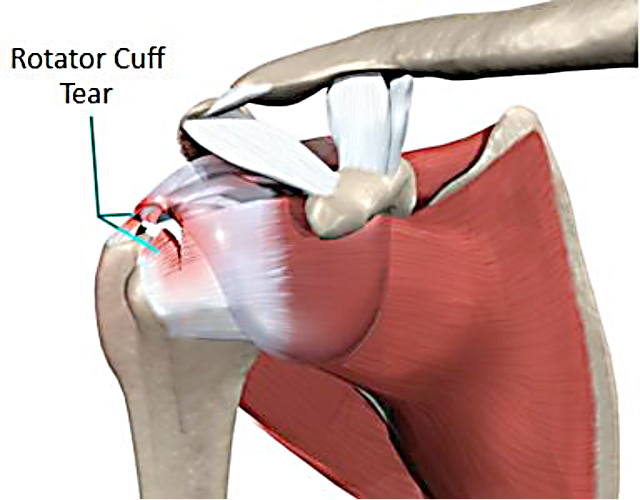
Last month's article introduced causes of shoulder pain and focused on the structure and general function of the shoulder through ranges of motion.  As a ball and socket joint, it high-lighted the importance of the ball staying well centred in its socket as you move your arm, so as to avoid injury or irritation to the various soft tissues around the shoulder.  That being said, it is possible to have "damage" to your rotator cuff without any symptoms.  Research using diagnostic imaging (i.e. MRI/ultrasound) has shown that up to 40% of elite overhead athletes have asymptomatic rotator cuff tears.  They are also found in the general population at an increasing frequency with advancing age.  Up to 1 in 5 people aged 60 to 69 and 31% of those aged 70 to 79 have been shown to have symptom free cuff tears.  This clearly shows that normal function can be preserved despite structural changes and offers encouragement that satisfactory function can be restored after an injury even when incomplete healing occurs.


So, this begs the question "What can be done to preserve or optimize shoulder function?"  Maintaining good posture is a good place to start.  This allows the shoulder blades, the "sockets", to move as they should, stay out of the way, and keep "the ball" well positioned.  To illustrate this, stand with an intentionally poor posture with your mid back and shoulders hunched as much as possible.  Now try to raise your arms forward and up as high as you can and take note of your range.  Then, stand with good posture - back erect and your shoulders pulled back slightly - and raise your arms again.  If done properly you should notice that the range of your shoulder motion is greater with better posture.  The shoulder blades can tip backward as needed and not be limited by the rib cage, thereby allowing your arms to end up near your ears.  Therefore, if you need to reach high for things or are doing overhead exercises, be sure to start with a good posture.  A good overall posture also decreases strain on the neck, which is often an overlooked source of pain that is perceived at the shoulder.
 
 
Improving mid back mobility is also important.  While lifting your arms as described above, your mid back should extend slightly to assist the motion.  However, this area of the back, the thoracic spine, is commonly stiff due to the many hours we spend being sedentary with a slouched body position and doesn't move as freely as needed.  Fortunately there are a number of things you can do to improve mobility here.  Starting simply, you could lie on the floor with a small, rolled-up towel lying under and across your mid back.  As you relax and lay flat this will arch your back slightly, and you can also adjust your body up or down to target different areas.  To get more aggressive over time you can use a foam roller to increase the arch even further.

 
Maintaining the health and flexibility of shoulder soft tissues, rotator cuff muscle strength and stability, and other shoulder blade motions are additional aspects of a well functioning shoulder.  However, unlike the above considerations that are almost universally applicable, what may be needed for each individual is quite variable and is best assessed on a case by case basis by a skilled health care professional.

 
This article is for general information purposes only and is not to be taken as professional medical advice.

Friday, July 15, 2016

Considerations For Shoulder Pain - Part 1

By Dr. R. Greg Lusk, DC

Although back pain, neck pain, and headaches are the three most common reasons why individuals seek out the services of a chiropractor, shoulder pain is another frequent complaint seen in the office.  Sometimes there is a traumatic mechanism to explain the onset of pain, such as a fall or over-exertion with lifting, reaching, pulling, or throwing types of activities.  However, often the cause is not very obvious, suggesting that a more cumulative process has resulted in a pain experience at the shoulder.  Discussing the structure and function of the shoulder will help us understand how this may occur.  Note - it is also important to realize that pain felt at the shoulder may not have its origin at the shoulder at all but instead have a more central source, commonly the neck region, with structures either referring or radiating pain to the shoulder, with or without the presence of neck discomfort.
 
The shoulder is a ball and socket joint.  As such, it is a very mobile joint with many movement possibilities, but with greater potential for instability as well.  The "ball" is the head of the upper arm bone called the humerus and the "socket" is a shallow depression on the shoulder blade, made deeper only by the addition of projections of cartilage called the labrum.  The shoulder blade essentially floats on our mid back by way of muscular attachments with its only direct bony connection to the rest of our skeleton being made via the collar bone.  The four rotator cuff muscles attach the ball to the shoulder blade and function to keep the ball centred in the socket while larger muscles around the shoulder, the deltoid and "pecs" for example, create the actual movement of the shoulder/arm.  With ranges of motion, the ball rotates and glides in the socket, the shoulder blade itself moves in a variety of directions, and the collar bone rotates and tilts.  The mid back also needs to extend.  All of these motions have a pre-wired sequencing or rhythm in which they occur to move the shoulder optimally and basically keep the ball in the socket.  When this pattern of motion is altered due to a new injury or persists after an older problem resolved but wasn't fully rehabilitated, or simply as a result of postural imbalances, this sets the stage for future trouble.
 
Unlike other joints in the body where the muscles that move and/or stabilize the joint surround the bony connection, the shoulder is unique in that some soft tissues (i.e. rotator cuff muscles and tendons, bursae) are contained in an area surrounded by bony structures.  To orient you, feel the bony tip of your shoulder blade, named the acromion, where the shoulder slopes down to become the arm.  The area beneath the acromion is appropriately called the sub-acromial space, which houses those soft tissues, sandwiching them between the ball of the ball and socket below and the acromion above.  If the rhythm mentioned previously becomes altered and the ball is not well maintained in the socket throughout ranges of motion, these tissues can become overly pinched, or "impinged" between the bony surfaces.  Over time this can result in a number of different painful conditions, such as bursitis, a biceps tendonopathy, a rotator cuff tear or tendonopathy, shoulder impingement syndrome, and arthritis to name a few.
 
Part 2 of this article will continue this discussion and suggest a few things one may try to help optimize shoulder function.  This article is for general information purposes only and is not to be taken as professional medical advice.
 

Thursday, February 12, 2015

FREE EDUCATIONAL SEMINAR:


Seven Tips To Keep Your Shoulders
Feeling Great!


Presenter

  • Dr. Robert Gregory Lusk
  • Certified Strength and Conditioning Specialist
  • Doctor of Chiropractic at
    New Hamburg Wellness Centre,
    338 Waterloo St., Unit #9,
    New Hamburg, ON
    Phone: 519-662-4441
    Web: www.nhwc.ca

Learn

  • General posture concepts
  • Common shoulder complaints
  • The importance of thoracic mobility
  • Foam rolling and exercise ideas
  • How manual therapy can assist the above


Date and Time

  • Wednesday, March 4 at 7:45pm


Location


How To Register

Wednesday, November 20, 2013

Pack It Light. Wear It Right - Handbags

Ontario Chiropractic Association (OCA)


Some women carry the whole world in their handbag, but a heavy bag or purse can cause pain and injury to your back, neck and shoulders. Overstuffed bags also cause poor posture by encouraging the carrier to lean to one side.
 
The good news is pain and injury can be easily avoided by following a few simple tips.
 
Choosing a handbag
  1. Choose a handbag that is proportionate to your body size and no larger than what is needed. Your handbag should not weigh more than 10 per cent of your body weight.
  2. Choose a handbag that has several individual pockets, instead of one large compartment. This will help to distribute the weight of the contents more evenly and keep them from shifting.
Packing a handbag
  1. Change the size and weight of your wallet once in a while. You may also consider one wallet for your work and a different one for when you go out, as you may need different objects for both.
  2. Ensure the weight is evenly distributed in the purse by using all the pockets.
Carrying a handbag
  1. Use both hands to check the weight of the handbag.
  2. Instead of always carrying your handbag on the same shoulder, switch sides often so each shoulder gets a rest.
  3. Square your shoulders — many women have a habit of lifting the shoulder on which the purse is carried to keep the straps from slipping.
More tips
  1. Try to maintain good posture. When standing, your head, shoulders, hips and ankles should line-up, one comfortably above the other.
  2. If you can walk to lunch or a meeting, lock your purse in your desk or locker and carry only your cash and/or credit cards in a pocket.
By following these simple strategies, it’s easy to lighten your load.
 
Visit www.nhwc.ca for more information.

Tuesday, July 9, 2013

How to Lift Your Luggage

Ontario Chiropractic Association (OCA)

 
In the flurry of packing for a vacation or business trip, it’s easy to get carried away and pack every­thing but the kitchen sink into your suitcase and carry-on. But over-packed luggage and improper lifting and carrying techniques are common causes of injury to the back, neck and shoulders.
 
The good news is many of these injuries can be easily prevented. The following tips can help take the pain out of your vacation:
 
Choosing your luggage:
  • When shopping for new luggage, look for a sturdy, light, high-quality and transportable piece. Avoid purchasing luggage that is too heavy or bulky when empty.
  • Choosing a bag with wheels and a handle can go a long way to lighten your load.
  • A good quality backpack with adjustable, padded shoulder straps and a waist strap makes an ideal carry-on because, when worn properly, backpacks can evenly distribute weight.
Packing your luggage:
  • Over-packing is an easy pitfall, but consider that the larger and heavier the luggage, the more susceptible a traveller is to neck, back and shoulder injuries. Try to only pack what you absolutely need.
  • When possible, place items in a few smaller bags, instead of one large luggage piece.
  • Ensure your carry-on luggage does not weigh more than 10 to 15 per cent of your body weight.
  • Keep the contents of any carry-on luggage to a minimum, pack heavy items at the bottom of the bag and make efficient use of the bag’s pockets.
Lifting and carrying your luggage:
 
Lifting your luggage can’t always be avoided, even if your luggage has wheels. But practising safe lifting techniques can substantially reduce your risk of injury.
  • Move slowly and, whenever possible, break the action into smaller parts. For instance, when loading a suitcase in the trunk of a car, try lifting it first onto a chair or step-stool, then lifting it into the trunk. Similarly, when placing luggage in an overhead com­partment, first lift it onto the top of the seat.
  • When lifting your luggage, first get close to the load and stand with your feet shoulder-width apart.
  • Bend at the knees and let your leg muscles, rather than your back, do the lifting.
  • Hold the load close to your body.
  • Avoid twisting. Instead, turn your feet in the direction you are headed and turn your entire body in that direction.
  • Do not carry bulky luggage for long peri­ods of time. Make sure to check heavier items when travelling rather than carrying them for the duration of the trip.
  • Try to carry light pieces in each hand rather than a single heavy item on one side.
  • If using a backpack, use both shoulder straps and the waist strap, and adjust them to minimize the bag’s movement.
  • If using a duffel or shoulder bag, switch sides often to reduce strain.