Showing posts with label Chiropractic. Show all posts

Thursday, July 14, 2022

THE COMPLETE GUIDE FOR MUSCLE KNOTS (EVERYTHING YOU NEED TO KNOW + TIPS FOR RELIEF)

 Author: CCA


Chances are, you’ve experienced the tender, achy feeling of a muscle knot at some point in your life. Research has shown that muscle knots may affect up to 85 per cent of the population. Muscle knots impair mobility, cause pain, and can reduce a person’s quality of life.


WHAT ARE MUSCLE KNOTS?

Muscle knots are typically found in your back, shoulders, and neck. They are stiff bands of muscle that have a hard knob in the centre, which is known as a trigger point. The pain can either pop up spontaneously (active) or when the trigger point is pressed (latent). But in all cases, muscle knots cause pain to radiate beyond the trigger point into the surrounding muscles.


WHAT CAUSES MUSCLE KNOTS?

Muscle knots, also known as myofascial trigger points, are complex and have a variety of possible causes. There is a lot more research to be conducted on the matter, but the best available evidence suggests that muscle knots are the result of overuse such as heavy lifting or repetitive activities. Other causes may include:

·         Psychological stress

·         Poor ergonomics

·         Bad posture

·         Fatigue

·         Dehydration

·         Unhealthy eating habits

·         Sleep disturbances

·         Joint problems


WHAT ARE SYMPTOMS OF MUSCLE KNOTS?

Pain is the primary symptom of muscle knots. Since everyone experiences pain differently, your symptoms may vary from those of someone else. However, most people agree that muscle knots feel swollen, tense, or bumpy, and cause an aching sensation.

Depending on where in the body the muscle knot is located, it may cause seemingly unrelated pain in other areas. For example, a muscle knot in the neck can send pain into the base of the skull, causing a tension headache.


WHO IS MOST AT RISK FOR MUSCLE KNOTS?

There are very few people who get through life without ever experiencing a muscle knot. Ninety-seven per cent of people with chronic pain have trigger points, and 100 per cent of people with neck pain have them. There are, however, certain risk factors that increase the likelihood of developing muscles knots. These include:

·         Ageing

·         Disease

·         Stress

·         People with fibromyalgia


HOW ARE MUSCLE KNOTS DIAGNOSED?

Diagnosing a muscle knot requires a physical examination by an experienced professional such as a chiropractor. The examiner will assess the area of concern for three things: a taut band of muscle, a tender nodule, and the reaction of the patient to physical pressure.


HOW ARE MUSCLE KNOTS TREATED?

Once you’ve been diagnosed, the question becomes “How do I treat the muscle knot in my back/neck/shoulders, etc.?” There are several options, but the most common include:

·         Stretching

·         Chiropractic

·         Acupuncture

·         Exercise

·         Massage therapy

·         Ultrasound therapy

Whichever option you choose, the main goal is to release the trigger point to reduce pain and increase mobility1 by breaking up the knotted tissue and calming inflamed nerves.


HOW CAN YOU PREVENT MUSCLE KNOTS IN THE FIRST PLACE?

Because muscle knots are the result of overuse, stress, bad posture, fatigue, etc., your risk of getting a muscle knot can be lowered by resting and working on posture and overall lifestyle habits. Here are some tips:

·         Improve your posture by sitting in a relaxed position, with your shoulders back and down. Try your best not to slouch.

·         Take opportunities throughout the day to rest and incorporate exercise into your routine.

·         Don’t overdo it when lifting heavy objects. Ask for help, take it slowly, or move things in batches.

·         If your job requires you to sit for most of the day, take regular stretch breaks to prevent your muscles from getting too tight.

·         Make sure your diet includes a healthy mix of calcium, potassium, and magnesium, and drink plenty of water to keep your body hydrated.

Muscle knots in any area of the body are painful and frustrating. Now that you know what they are, what causes them, and how to treat them, we hope you’ll find relief and get back to enjoying your everyday activities.


CAN YOU TREAT MUSCLE KNOTS AT HOME?

While we recommend seeking the advice of a spine, muscle, and nervous system expert, there are some cases where you can massage the sore muscles yourself. Try following this simple technique:

·         Locate the knot in your muscle and, using your fingers, gently massage it out.

·         Focus on loosening the tight muscle by pressing down firmly and making small circles.

·         If you’re finding it difficult to reach the muscle knot in your back, neck, or shoulders, you can try using a tennis ball or foam roller to apply pressure to the knot. Slowly and gently move back and forth to relieve the tension.

·         Muscle knots in any area of the body are painful and frustrating. Now that you know what they are, what causes them, and how to treat them, we hope you’ll find relief and get back to enjoying your everyday activities.


If you have a persistent muscle knot that is interfering with your quality of life, contact our office to make an appointment with one of our team members.

#muscleknots #muscles #knots #triggerpoints #stretching #chiropractic #acupuncture #exercise #massage #health #wellness #wecanhelp #newhamburgwellness #newpatientswelcome #wilmot #newhamburg #baden #tavistock #wellesley #waterlooregion

Thursday, May 26, 2022

Ankle Injuries


An ankle sprain is a very common injury that can happen to athletes, non-athletes, children and adults.  A sprain refers to a stretching or tearing of a ligament.  Ligaments are tough bands of fibrous tissue that connect one bone to another, and help stabilize joints, preventing excessive movement. 

Most ankle sprains can be managed conservatively.

Initial conservative management of ankle sprains should follow the P.R.I.C.E. principle (Protection, Rest, Ice, Compression, Elevation).

The P.R.I.C.E. principle helps decrease pain and swelling and can be used during the rehabilitative process as needed.

Additional treatment options include:

  • Electrotherapy
  • Ultrasound
  • Laser therapy
  • Taping
  • Bracing
  • Soft tissue techniques
  • Manual mobilization

Rehabilitative strategies should also include:

  • Exercises that incorporate active range of motion
  • Stretching and strengthening for the ankle joint and lower extremity
  • Proprioceptive/balance training to minimize the risk of ankle instability and re-injury.

An untreated ankle sprain may lead to chronic ankle instability.  This may also result in secondary foot, knee, hip, and back problems because of subtle changes in movement patterns. 

If you are having difficulty with ankle pain, our qualified health professionals can determine the cause of your pain and prescribe appropriate therapy and rehabilitation strategies specifically for your circumstance.

Contact us:

519-662-4441

www.nhwc.ca


#ankle #sprain #rehabilitation #pain #electrotherapy #ultrasound #lasertherapy #taping #bracing #softtissue #mobilization #exercise #stretching #proprioceptivetraining #health #wellness #chiropractic #physiotherapy #wecanhelp #newhamburgwellness #wilmot #newhamburg #baden #wellesley #tavistock #waterlooregion

Tuesday, March 15, 2022

Tips To Take Care Of Your Posture When Travelling


With March Break upon us, many people are travelling.

🚙While time with family and vacations are relaxing and a great way to regenerate energy and zest, the process of travelling itself can often take a toll on our bodies and musculoskeletal system. ⛱
Carrying luggage, and long flights or road trips can place stress on the lower back which may result in back pain or other musculoskeletal conditions. ✈
📍 The following tips may assist in keeping your back safe from injury while travelling:
1️⃣ Supporting the curve in your lower back is important. To avoid sitting for prolonged periods in an “unnatural” position, place a small rolled-up airline pillow, blanket or a towel or lumbar pillow to fit and support the curve of your lower back. You may consider sitting in a slightly reclined position to relieve the stress on your spine. 🚗
2️⃣ Sit Properly. While seated, your knees should be supported and bent at more or less a 90 degree angle. If your seat is too high, consider placing your feet on something that can act as a firm footrest to keep your knees at a right angle. 🛩
3️⃣ Move! Sitting in a static position for extended periods of time can stiffen the back muscles and cause creep in the spine. Movement is key to keeping the spine and musculoskeletal system healthy. Get up, stretch and move around every 20 to 30 minutes when possible. ⏱🚶‍♀️
4️⃣ Use proper lifting technique. Use the entire body to turn when lifting heavy luggage. Pivot with your feet, not your back, so that your whole body moves, rather than only twisting your spine. 🧳
5️⃣ Don’t make luggage or carry-ons too heavy. Manage what you pack to avoid being left with heavy luggage to carry and maneuver. Lifting excessive weight overhead, for example, can cause hyperextension injuries. ⚠
Making smart choices throughout your travels will help you to enjoy your vacation comfortably once you arrive. 😎

Thursday, March 10, 2022

Physical Activity And Pregnancy


The current research tells us that all women who do not have any contraindications should be physically active throughout pregnancy to promote maternal, fetal and neonatal health. 👶

Physical activity is now considered to be front line therapy for reducing the risks of complications during pregnancy. ✅

It has been shown that the risk of developing gestational diabetes, high blood pressure and pre-eclampsia, as well as depression can be reduced during pregnancy.

🤰 Pregnant women should accumulate at least 150 min. of moderate intensity physical activity each week.

🤰 Physical activity should be accumulated over a minimum of 3 days per week, but being active every day is encouraged.

🤰 Pregnant women should do both aerobic and resistance training activities. Yoga and gentle mobility/stretching can also be beneficial.

🤰 Pelvic floor muscle training should be incorporated to reduce the risk of urinary incontinence.

🤰 Pregnant women who experience light-headedness, nausea or feel unwell when they are on their back should modify their exercise position.

Make sure you consult with your health care practitioner to ensure you are cleared to exercise. Chiropractors are trained to help guide you with your exercise plan throughout pregnancy.  👍

In addition to Chiropractic, Dr. Melissa Hamilton is a #GrowCo Ambassador who has completed additional training in rehabilitation for women to provide evidence based and highly effective care.

New patients are always welcome.

📲 Online booking available at nhwc.ca
📞 519-662-4441

#pregnancy #physicalactivity #women #exercise #health #wellness #chiropractic #GrowCo #wecanhelp #newpatientswelcome #wilmot #newhamburg #baden #wellesley #tavistock #waterlooregion

Thursday, February 10, 2022

How To Prepare And Condition Your Body For Skiing This Winter


❄ Winter can be a splendid and enjoyable time of year, especially if you love winter sports like skiing.  ⛷ But did you know that skiing can pose some risks to your muscles and joints if you are not adequately prepared⁉

Commonly, muscles that work to internally rotate the hips are activated and engaged during skiing – key for maintaining balance and coordination. 🏂 A great way to condition the body and build muscle memory for skiing is to practice your technique with the use of balance boards, in-line skates, or sports that require quick movements and changes of direction. 🛹

Another important aspect to skiing is the need for endurance and stamina. Interval training is a great tool to build endurance, where you maximize your input for short bouts of time. ⏱ The gains made through interval training can translate into meaningful improvements to your overall endurance; however, as with all activities, progression is key! 👍

Maintaining good muscle and joint range of motion is important, and building mobility is key to preventing injuries. Our Chiropractors can help you improve your joint and muscle function, as well as provide some guidance on how to best increase your mobility safely based on your individual goals and needs. The earlier you start, the better prepared you will be. ✅

#wintersports #skiing #winter #chiropractor #chiropracticcare #training #rehab #muscleandjoint #intervaltraining #exercise #wecanhelp #newpatientswelcome #wilmot #newhamburg #baden #wellesley #tavistock #waterlooregion

Tuesday, January 11, 2022

9 Tips To Stay Active During The Winter Months

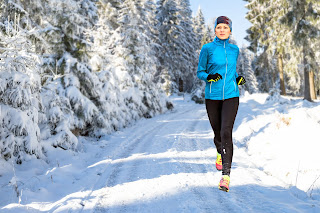
When it gets cold outside, we tend to spend more time indoors doing sedentary activities and it can be difficult to stay active. It’s helpful to plan ahead and set some time aside in your schedule a few days a week to make sure you’re getting the activity you need.

To have health benefits from exercise, adults need a total of 2.5 hours of activity spread across the week, in bouts of ten minutes or more. These activities need to be moderate-to-vigorous intensity aerobic activities. Moderate-intensity physical activities include brisk walking or bike riding. Generally, you know your activity is moderate-intensity if you sweat a little and breathe harder than when you’re moving about day-to-day. Vigorous-intensity activities include jogging or cross-country skiing, and you’re likely to find yourself sweating and feeling out of breath.


Here are a few tips to help keep you motivated to stay active during the winter months: 

  • Plan activities ahead. When activities are in your calendar, you’re less likely to forget them. Preparedness also helps set good habits.
  • Find a fun local activity, like snow shoeing, skiing, skating, or cross-country skiing.
  • Dress in layers. Insulate your body. When you can keep your body warm, it’s easier to continue being active outside.
  • Use your daylight hours. It’s easier to stay outside while it’s still light out. It’s easy to miss out on activities when you start them too late in the day.
  • Find indoor activities at your local community centre. This could be aerobics classes, badminton, basketball, or yoga classes.
  • Climb stairs. Deliberately add more steps to your day. Consider going up and down a flight in your home, the mall, or an office building more than once over the course of your regular daily activities. As little as five minutes can make a huge difference for your health.
  • Visit a library to find more motivation. There are plenty of free exercise DVDs you can borrow, including dance, step, aerobics, or Pilates. You can use the return date as a deadline to pick up another one!
  • Sign up for a fun run. You can often find non-competitive “fun runs” in your community that are usually between 5 and 10 kilometers. You can invite friends and family to join in!
  • Find an activity buddy. Find someone willing to commit to being active as often as you are, and set a plan. That could be planning to meet for morning walks or afternoon workouts. Having a friend keeps you accountable.

For help on setting activity goals based on your specific musculoskeletal needs, you can always ask our Chiropractors about what activities are right for you.

Whatever your activity level is, remember to stay hydrated. It is easy to forget to drink water when it’s cold out, but your body needs just as much hydration in a snowstorm as it does in a heatwave.

Most importantly, stay motivated. Revisit your goals (or look for tips to set new ones) to make sure you’re still on track. Plan ahead and make sure you can envision your goal as you look ahead towards the finish line.

Here’s to staying active in the new year!

Tuesday, March 2, 2021

Sciatica - What You Need To Know + Tips For Relief


Have you ever had pain radiate from your low back, through your hips, and down one leg? If so, you may have experienced sciatica.

WHAT IS SCIATICA?

The sciatic nerve runs down the length of each leg, starting in your low back and ending at the heels of your feet. Sciatica is a term used to describe the pain caused by irritation of that nerve.

Sciatica is different from low back pain in that it results from the sciatic nerve, rather than the spine. This nerve serves an important function, affecting the hamstrings, calf muscles, lower leg muscles, and some foot muscles. In many cases, the pain gets worse with twisting, bending, sneezing or coughing.

WHAT CAUSES SCIATIC PAIN?

Researchers estimate that 90 per cent of cases are caused by a herniated disc where the nerve root is compressed – something that may occur as a result of an injury, or age-related wear and tear. 

Other possible causes include lumbar stenosis, or piriformis syndrome.

WHAT ARE THE SYMPTOMS OF SCIATICA?

Patients most often complain about pain radiating down the back of their leg, reducing their mobility.

WHO IS MOST AT RISK FOR SCIATICA?

There are certain risk factors that increase the chance of developing sciatica.

These include:

·         Age

·         Height

·         Mental stress

·         Cigarette smoking

In addition, certain occupations are predisposed to sciatic nerve pain, including machine operators and truck drivers.

HOW IS SCIATICA DIAGNOSED?

When a patient complains of pain radiating down their leg, a chiropractor will typically conduct a full history and physical examination to determine whether the sciatic nerve is to blame.

HOW IS SCIATIC TREATED?

When sciatica strikes, there are conservative chiropractic treatment options available.  These may include:

·         Mechanical traction

·         Spinal manipulation and mobilization

·         Soft tissue techniques

·         Laser therapy

·         Acupuncture

·         Ice/heat application

·         Electrotherapy

·         Rehabilitative exercise


WHAT CAN YOU DO AT HOME?

Talk to your chiropractor to ensure you are doing everything you can to improve your condition at home. He or she may recommend one or more of the following:

·         Use hot and cold packs for comfort

·         Avoid sitting or standing for long periods

·         Practice good posture

·         Improve your core strength through exercise

·         Gently stretch out your lower back and hamstrings

·         Take a walk regularly, go swimming, or try aqua fitness

·         Use the proper technique when lifting heavy objects

HOW CAN YOU PREVENT SCIATICA?

You can reduce the chances of developing sciatica by exercising regularly and paying attention to your posture.

Try the following exercises if you’re looking for inspiration, but the most important thing is to find an activity you enjoy:

·         Walking

·         Jogging

·         Swimming

·         Cycling

·         Dancing

·         Strength training

·         Yoga

·         Tai Chi

·         Pilates

Chiropractors are spine, muscle, and nervous system experts who provide effective treatment to promote health, alleviate pain, and improve your quality of life.

If you’re struggling with sciatica and want relief, visit one of our chiropractors today.

And remember – you can always ask questions and take an active role in your recovery.

#sciatica #chiropractic #newhamburgchiropractic #newhamburgwellness #traction #spinalmanipulation #mobilization #lasertherapy #electrotherapy #rehabilitativeexercise #softtissuetherapy #acupuncture #wecanhelp #recordreaderaward2020 #newpatientswelcome #newhamburg #wilmot