Compression stockings are socks that are made with high quality materials that can prevent vein-based diseases, and help to improve circulation and blood flow throughout your legs. 🦵
With March Break upon us, many people are travelling.
Looking for some indoor motivation? Here are some tips on how to stay active at home:
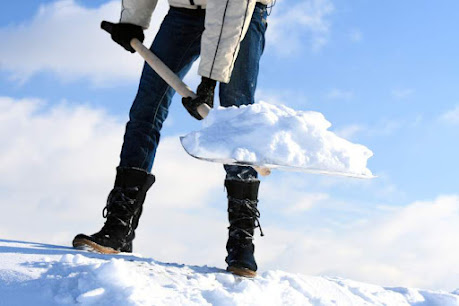
Apart from dressing properly for the weather and making sure you have a sturdy, lightweight shovel, there are a few practices you can follow to help make snow-shovelling safer.
· Stand with stability: Stand with your feet at hip-width apart to maintain your balance. It’s
also best to wear boots that are non-slip when you shovel. This will help
protect you from sliding when shovelling.
· Keep the weight close to your body: Hold the shovel close to your body to guard
against straining or pulling a muscle. When the snow is deep, try to shovel
smaller amounts (3–5 centimetres/1–2 inches) of snow at a time.
· Grip strategically: Space your hands apart on the handle to increase your leverage
when lifting the snow.
· Lift with your legs: Bend from your knees, not your back, when lifting. Not only does it
protect your back, but you can strengthen your legs as well!
· Engage your core: Tighten your stomach muscles when lifting snow. This helps to
protect your back as you lift.
· Don’t twist: Avoid twisting your body when you lift. Move your feet instead to turn
your body.
· Don’t fling the snow: Make sure to walk to place the snow on the side of the path rather than
throwing it. Turn your feet in the direction you’re dumping the snow—this
better positions you to maintain good form. Your whole body will thank you.
Snow shovelling can be a very strenuous activity, and even more so
without the correct, protective form. Ask one of our Chiropractor more tips on
improving your strength and stability.
With the proper preparation, tools, and technique you can make
shovelling safer for you, and your walkways safer for your family, friends, and
neighbours.
Happy shovelling!
When it gets cold outside, we tend to spend more time indoors doing sedentary activities and it can be difficult to stay active. It’s helpful to plan ahead and set some time aside in your schedule a few days a week to make sure you’re getting the activity you need.
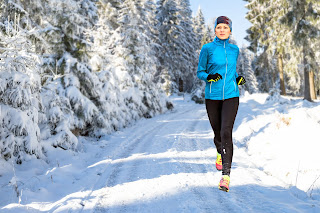
To have health benefits from exercise, adults need a total of 2.5 hours of activity spread across the week, in bouts of ten minutes or more. These activities need to be moderate-to-vigorous intensity aerobic activities. Moderate-intensity physical activities include brisk walking or bike riding. Generally, you know your activity is moderate-intensity if you sweat a little and breathe harder than when you’re moving about day-to-day. Vigorous-intensity activities include jogging or cross-country skiing, and you’re likely to find yourself sweating and feeling out of breath.
Here are a few tips to help keep you motivated to stay active during the winter months:
For help on setting activity goals based on your specific musculoskeletal needs, you can always ask our Chiropractors about what activities are right for you.
Whatever your activity level is, remember to stay hydrated. It is easy
to forget to drink water when it’s cold out, but your body needs just as much
hydration in a snowstorm as it does in a heatwave.
Most importantly, stay motivated. Revisit your goals (or look for tips to set new ones) to make sure you’re still on track. Plan ahead and make sure you can envision your goal as you look ahead towards the finish line.
Here’s to staying active in the new year!