Showing posts with label Strength Training. Show all posts

Monday, January 18, 2021

The Health Benefits Of Strength Training

By Dr. John A. Papa, DC, FCCPOR(C)

Strength training is exercise that uses weights or resistance to strengthen and enhance a muscle’s ability
to contract and do work.  Below are some of the numerous health benefits of strength training.

1.   Strength training plays a key role in body composition and weight management.  Simply put, strength training burns calories, improves body composition by building lean muscle tissue, and thereby reduces fat stores in the body.

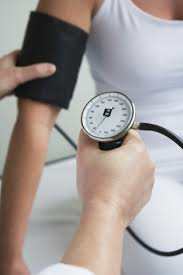
2.    Strength training reduces the risk of cardiovascular disease.  Heart disease risk is lower when the body is leaner and less fat.  Other associated benefits include decreased cholesterol levels and lowered resting blood pressure.  Strength training will also help improve glucose (sugar) metabolism.  Poor glucose metabolism is strongly associated with adult onset diabetes.

3.   Strength training stimulates bone mineral density development and reduces the rate of bone loss.  This is crucial at younger ages for maximizing bone density.  It is also important in older individuals looking to prevent or slow down the bone-thinning disease osteoporosis as it decreases the likelihood of fractures and morbidity related to fractures.

4.   Building muscle through strength training is helpful for recovering from and preventing injury as it helps improve overall strength, endurance, stamina, flexibility, balance and coordination.

5.    Strength training can be beneficial for those suffering from arthritis.  Studies in older men and women with moderate to severe arthritis have shown that a strength training program can help general physical performance with everyday activities, and improve clinical signs and symptoms of the disease resulting in decreased pain and disability.


Below are some useful tips that can help individuals get safely started on a strength training program:

·      Strength training exercises can be accomplished with conventional weight-training equipment, hand-held "free weights", and resistance bands/tubing.  An individual can also use their own body weight while performing push-ups, pull-ups, dips, stair climbing, lunges, and wall squats.

·      Modest benefits from strength training can be seen with two to three training sessions a week lasting just 15 to 20 minutes each.  A resistance level heavy enough to tire your muscles after about 8 to 12 repetitions is sufficient.  When you can easily do 12 or more repetitions of a certain exercise, increase the weight or resistance.  Rest at least one full day between exercising each specific muscle group.

·    Always perform strength training in a safe manner with proper technique and stop if you feel pain.  Although mild muscle soreness is normal, sharp pain and sore or swollen joints are signs that you’ve overdone it and that your program/activity needs to be modified.

A lifetime of regular strength training exercise is ideal, but it is never too late to start!  If you are over 35, have been sedentary for some time, or have a specific health condition or limitation, consult with a knowledgeable health care provider before beginning any new exercise program.  For more information, visit www.nhwc.ca.

This article is a basic summary for educational purposes only.  It is not intended, and should not be considered, as a replacement for consultation, diagnosis or treatment by a duly licensed health practitioner.

Wednesday, March 4, 2020

The Health Benefits of Strength Training


By Dr. John A. Papa, DC, FCCPOR(C)

Strength training is exercise that uses weights or resistance to strengthen and enhance a muscle’s ability to contract and do work.  Below are some of the numerous health benefits of strength training.

1.   Strength training plays a key role in body composition and weight management.  Simply put, strength training burns calories, improves body composition by building lean muscle tissue, and thereby reduces fat stores in the body.

2.  Strength training reduces the risk of cardiovascular disease.  Heart disease risk is lower when the body is leaner and less fat.  Other associated benefits include decreased cholesterol levels and lowered resting blood pressure.  Strength training will also help improve glucose metabolism.  Poor glucose metabolism is strongly associated with adult onset diabetes.

3.    Strength training stimulates bone mineral density development and reduces the rate of bone loss.  This is crucial at younger ages for maximizing bone density.  It is also important in older individuals looking to prevent or slow down the bone-thinning disease osteoporosis as it decreases the likelihood of fractures and morbidity related to fractures.

4.  Building muscle through strength training is helpful for recovering from and preventing injury as it helps improve overall strength, endurance, stamina, flexibility, balance and coordination.
 
5.   Strength training can be beneficial for those suffering from arthritis.  Studies in older men and women with moderate to severe arthritis have shown that a strength training program can help general physical performance with everyday activities, and improve clinical signs and symptoms of the disease resulting in decreased pain and disability.

Below are some useful tips that can help individuals get safely started on a strength training program:

·     Strength training exercises can be accomplished with conventional weight-training equipment, hand-held "free weights", and resistance bands/tubing.  An individual can also use their own body weight while performing push-ups, pull-ups, dips, stair climbing, lunges, and wall squats.

·       Modest benefits from strength training can be seen with two to three training sessions a week lasting just 15 to 20 minutes each.  A resistance level heavy enough to tire your muscles after about 8 to 12 repetitions is sufficient.  When you can easily do 12 or more repetitions of a certain exercise, increase the weight or resistance.  Rest at least one full day between exercising each specific muscle group.

·    Always perform strength training in a safe manner with proper technique and stop if you feel pain.  Although mild muscle soreness is normal, sharp pain and sore or swollen joints are signs that you’ve overdone it and that your program/activity needs to be modified.

A lifetime of regular strength training exercise is ideal, but it is never too late to start!  If you are over 35, have been sedentary for some time, or have a specific health condition or limitation, consult with a knowledgeable health care provider before beginning any new exercise program.  For more information, visit www.nhwc.ca.

This article is a basic summary for educational purposes only.  It is not intended, and should not be considered, as a replacement for consultation, diagnosis or treatment by a duly licensed health practitioner.

Monday, December 3, 2018

The Health Benefits Of Strength Training


By Dr. John A. Papa, DC, FCCPOR(C)

Strength training is exercise that uses weights or resistance to strengthen and enhance a muscle’s ability to contract and do work.  Below are some of the numerous health benefits of strength training.

1.   Strength training plays a key role in body composition and weight management.  Simply put, strength training burns calories, improves body composition by building lean muscle tissue, and thereby reduces fat stores in the body.

2.  Strength training reduces the risk of cardiovascular disease.  Heart disease risk is lower when the body is leaner and less fat.  Other associated benefits include decreased cholesterol levels and lowered resting blood pressure.  Strength training will also help improve glucose metabolism.  Poor glucose metabolism is strongly associated with adult onset diabetes.

3.  Strength training stimulates bone mineral density development and reduces the rate of bone loss.  This is crucial at younger ages for maximizing bone density.  It is also important in older individuals looking to prevent or slow down the bone-thinning disease osteoporosis as it decreases the likelihood of fractures and morbidity related to fractures.

4.    Building muscle through strength training is helpful for recovering from and preventing injury as it helps improve overall strength, endurance, stamina, flexibility, balance and coordination.
 
5.    Strength training can be beneficial for those suffering from arthritis.  Studies in older men and women with moderate to severe arthritis have shown that a strength training program can help general physical performance with everyday activities, and improve clinical signs and symptoms of the disease resulting in decreased pain and disability.

Below are some useful tips that can help individuals get safely started on a strength training program:

·     Strength training exercises can be accomplished with conventional weight-training equipment, hand-held "free weights", and resistance bands/tubing.  An individual can also use their own body weight while performing push-ups, pull-ups, dips, stair climbing, lunges, and wall squats.

·      Modest benefits from strength training can be seen with two to three training sessions a week lasting just 15 to 20 minutes each.  A resistance level heavy enough to tire your muscles after about 8 to 12 repetitions is sufficient.  When you can easily do 12 or more repetitions of a certain exercise, increase the weight or resistance.  Rest at least one full day between exercising each specific muscle group.

·     Always perform strength training in a safe manner with proper technique and stop if you feel pain.  Although mild muscle soreness is normal, sharp pain and sore or swollen joints are signs that you’ve overdone it and that your program/activity needs to be modified.

A lifetime of regular strength training exercise is ideal, but it is never too late to start!  If you are over 35, have been sedentary for some time, or have a specific health condition or limitation, consult with a knowledgeable health care provider before beginning any new exercise program.  For more information, visit www.nhwc.ca.

This article is a basic summary for educational purposes only.  It is not intended, and should not be considered, as a replacement for consultation, diagnosis or treatment by a duly licensed health practitioner.

Monday, December 4, 2017

The Health Benefits Of Strength Training

By Dr. John A. Papa, DC, FCCPOR(C)

Strength training is exercise that uses weights or resistance to strengthen and enhance a muscle’s ability to contract and do work.  Below are some of the numerous health benefits of strength training.

1. Strength training plays a key role in body composition and weight management.  Simply put, strength training burns calories, improves body composition by building lean muscle tissue, and thereby reduces fat stores in the body.

2. Strength training reduces the risk of cardiovascular disease.  Heart disease risk is lower when the body is leaner and less fat.  Other associated benefits include decreased cholesterol levels and lowered resting blood pressure.  Strength training will also help improve glucose metabolism.  Poor glucose metabolism is strongly associated with adult onset diabetes.

3.    Strength training stimulates bone mineral density development and reduces the rate of bone loss.  This is crucial at younger ages for maximizing bone density.  It is also important in older individuals looking to prevent or slow down the bone-thinning disease osteoporosis as it decreases the likelihood of fractures and morbidity related to fractures.

4.  Building muscle through strength training is helpful for recovering from and preventing injury as it helps improve overall strength, endurance, stamina, flexibility, balance and coordination.
 
5.   Strength training can be beneficial for those suffering from arthritis.  Studies in older men and women with moderate to severe arthritis have shown that a strength training program can help general physical performance with everyday activities, and improve clinical signs and symptoms of the disease resulting in decreased pain and disability.

Below are some useful tips that can help individuals get safely started on a strength training program:

·     Strength training exercises can be accomplished with conventional weight-training equipment, hand-held "free weights", and resistance bands/tubing.  An individual can also use their own body weight while performing push-ups, pull-ups, dips, stair climbing, lunges, and wall squats.

·      Modest benefits from strength training can be seen with two to three training sessions a week lasting just 15 to 20 minutes each.  A resistance level heavy enough to tire your muscles after about 8 to 12 repetitions is sufficient.  When you can easily do 12 or more repetitions of a certain exercise, increase the weight or resistance.  Rest at least one full day between exercising each specific muscle group.

·       Always perform strength training in a safe manner with proper technique and stop if you feel pain.  Although mild muscle soreness is normal, sharp pain and sore or swollen joints are signs that you’ve overdone it and that your program/activity needs to be modified.

A lifetime of regular strength training exercise is ideal, but it is never too late to start!  If you are over 35, have been sedentary for some time, or have a specific health condition or limitation, consult with a knowledgeable health care provider before beginning any new exercise program.  For more information, visit www.nhwc.ca.


This article is a basic summary for educational purposes only.  It is not intended, and should not be considered, as a replacement for consultation, diagnosis or treatment by a duly licensed health practitioner.
Wednesday, June 14, 2017

Hip Pain And Prevention

By Dr. John A. Papa, DC, FCCPOR(C)
 
Hip pain often limits physical activities such as walking, running, squatting, and going up and down stairs.  It  can also create problems with sleeping and sitting positions.

Depending on what the source of the hip pain is, symptoms can be felt in a number of  different regions which may include:  the low back, deep in the hip joint, on the outer aspect of the hip, in the groin, at the front of the thigh, and in the buttocks.  Listed below are some of the conditions that commonly cause hip pain:

·        Osteoarthritis results from the protective layers of cartilage in the hip becoming worn over a period of time, leading to change in the composition of the bone underneath the cartilage.
 
·        Osteoporosis is a disease of bones that decreases bone mass and strength, making them more fragile and susceptible to fracture.  Hip fractures usually occur in older individuals after a fall injury.
 
·        Ligaments are tough bands of fibrous tissue that connect one bone to another.  They help stabilize joints, preventing excessive movement.  Ligament injuries (sprains) can occur when these structures become over-stretched or torn, often during activities where there is a direct blow to the hip or there is an awkward fall or twisting motion involving the hip.

·        Tendons are strong tissues that anchor muscles to bones, and these structures can become over-stretched or inflamed around the hip joint leading to tendonitis and muscular strains.
 
·        Bursitis can involve several fluid-filled structures in your hip that help provide more cushioning in the joint.  Repetitive hip strain and blunt trauma to the hip bursa are two common causes of bursitis.
 
·        Injuries and conditions in the low back can radiate symptoms into the hip region.  This includes things such as osteoarthritis, sprains and strains, disc herniations, sciatica, and spinal stenosis.
 
Below are some useful tips that can help individuals avoid or minimize the chance of hip pain and injury:

1.     Maintain a healthy bodyweight to decrease the overall stress on your hips.
 
2.     Wear appropriate footwear that supports your activities and helps maintain proper leg alignment and balance.
 
3.     Prepare your hips for physical activity by stimulating the joints and muscles, and increasing circulation.  This can be accomplished with a quick cardiovascular warm-up and gentle stretching of the muscles in the hips, thighs and lower legs.
 
4.     Choose activities that are "hip friendly" for you.  This may include low impact activities such as swimming, walking or cycling.  Remember to start slowly and build up the intensity gradually.
 
5.     Strength, balance, flexibility, and core exercises can train your body to better support your hips and avoid injuries.
 
If you have hip pain that limits your daily functioning, you should contact a licensed health professional who deals in the diagnosis and treatment of hip pain.  For additional information on hip pain and treatment of muscle and joint injuries, visit www.nhwc.ca.
 
This article is a basic summary for educational purposes only.  It is not intended, and should not be considered, as a replacement for consultation, diagnosis or treatment by a duly licensed health practitioner.

Sunday, December 4, 2016

The Health Benefits Of Strength Training

By Dr. John A. Papa, DC, FCCPOR(C)
 
Strength training is exercise that uses weights or resistance to strengthen and enhance a muscle’s ability to contract and do work.  Below are some of the numerous health benefits of strength training.
 
1.    Strength training plays a key role in body composition and weight management.  Simply put, strength training burns calories, improves body composition by building lean muscle tissue, and thereby reduces fat stores in the body.
 
2.    Strength training reduces the risk of cardiovascular disease. 
Heart disease risk is lower when the body is leaner and less fat.  Other associated benefits include decreased cholesterol levels and lowered resting blood pressure.  Strength training will also help improve glucose metabolism.  Poor glucose metabolism is strongly associated with adult onset diabetes.
 
3.    Strength training stimulates bone mineral density development and reduces the rate of bone loss.  This is crucial at younger ages for maximizing bone density.  It is also important in older individuals looking to prevent or slow down the bone-thinning disease osteoporosis as it decreases the likelihood of fractures and morbidity related to fractures.
 
4.    Building muscle through strength training is helpful for recovering from and preventing injury as it helps improve overall strength, endurance, stamina, flexibility, balance and coordination.
 
5.    Strength training can be beneficial for those suffering from arthritis.  Studies in older men and women with moderate to severe arthritis have shown that a strength training program can help general physical performance with everyday activities, and improve clinical signs and symptoms of the disease resulting in decreased pain and disability.


Below are some useful tips that can help individuals get safely started on a strength training program:
 
·        Strength training exercises can be accomplished with conventional weight-training equipment, hand-held "free weights", and resistance bands/tubing.  An individual can also use their own body weight while performing push-ups, pull-ups, dips, stair climbing, lunges, and wall squats.
 
·        Modest benefits from strength training can be seen with two to three training sessions a week lasting just 15 to 20 minutes each.  A resistance level heavy enough to tire your muscles after about 8 to 12 repetitions is sufficient.  When you can easily do 12 or more repetitions of a certain exercise, increase the weight or resistance.  Rest at least one full day between exercising each specific muscle group.
 
 
·        Always perform strength training in a safe manner with proper technique and stop if you feel pain.  Although mild muscle soreness is normal, sharp pain and sore or swollen joints are signs that you’ve overdone it and that your program/activity needs to be modified.
 
A lifetime of regular strength training exercise is ideal, but it is never too late to start!  If you are over 35, have been sedentary for some time, or have a specific health condition or limitation, consult with a knowledgeable health care provider before beginning any new exercise program.  For more information, visit www.nhwc.ca.
 
 
This article is a basic summary for educational purposes only.  It is not intended, and should not be considered, as a replacement for consultation, diagnosis or treatment by a duly licensed health practitioner.

Monday, July 13, 2015

Fit Tips

Canadian Chiropractic Association

Being active can help you maintain a healthy weight, reduce blood pressure, build strong bones, relieve stress, and maintain flexibility and good posture. Recreational sport is a great way to enjoy the many benefits of physical activity whether you pick up a hockey stick, golf club, raquet, or paddle, get on a bike, or put on your running shoes! The important thing is to get moving. Canada’s Olympic athletes know that everyone who gets physically active is a winner. Here are some tips and inspiration from our top performers and Canada’s chiropractors to help you avoid injury and get the most from your favorite sport.
 
Warm Up
Before jumping in the pool, hitting the field or picking up a golf club, take a full 20 minutes – no less – to warm up. Your warm up should include deep breathing exercises, gentle stretching and range of movement exercises, as well as a brisk walk or easy jog to loosen and warm the muscles and joints.
 
Learn the Proper Technique
Learn the right technique for your sport from the beginning. Using the wrong sport-specific technique can create incorrect muscle memory and can make it difficult to break bad habits. Poor technique can also cause injury to your joints and muscles.
“Chiropractic care has reduced my recovery time from injuries and lessened my susceptibility to injury. I would recommend a physical assessment and chiropractic maintenance to anyone who is serious about their sport.”
 –Daniel Igali, Wrestling World Champion and Olympic Gold Medalist 
Use the Right Equipment
Make sure your equipment is the right fit, height and capacity for you to avoid a sports-related injury. Recreational athletes should have their equipment professionally fitted and checked before starting out.
 
Avoid Over-Training
Too much. Too fast. Too soon. Over-training is one of the most common causes of recreational athletic injuries. Take your time and work up to it slowly before pushing yourself too hard. Remember – rest is as important as training. Take a training break and give your body a chance to recover.
“Taking care of injuries is important, but what is just as important is ’tuning up’ your body to ensure a great performance every time you go out. I was so impressed with my chiropractic care throughout my rowing career, that I became a chiropractor myself.”           
– Dr. Derek Porter, Rowing World Champion and Olympic Gold Medalist
Cool Down
Cooling down after a work out is just as important as warming up. Take 20 minutes for a brisk walk or slow jog, and stretch out your muscles and joints before heading for the change room or the car.
 
Drink Fluids
Drink plenty of fluids before, during and after physical activity – even in cold weather. Remember that once you are thirsty, you are already starting to dehydrate. Dehydration affects your energy level and your physical functioning.
“As a full-time athlete, I rely on my body to make a living, so it always has to be at its best. Chiropractic care is an important part of keeping me in the best condition so I can perform at an optimal level.”
– Perdita Felicien, Sprint Hurdles World Champion and Olympian
Strength Training
Strength training will help you keep your spine and other body joints functioning optimally. It will also build muscle that is an important shock absorber and helps to prevent strains and sprains.
 
Check your Attitude
Not every elite athlete brings home a medal, but they are all winners. The right attitude is good for your performance and your overall health. Have fun!
“Bobsleigh is a pure power sport – joints especially take a beating. Knees, back, ankles, elbows are constantly being abused through our weight training and sprinting. By having a regular chiropractic assessment, potential problem areas can be identified and worked on before they lead to greater problems.”
–Pierre Lueders, Bobsleigh World Champion and Olympic Gold Medalist
Maximize Muscle & Joint Function
Maintaining good muscle and joint range of motion and mobility will contribute to your athletic performance and help prevent injury. Restrictions in muscle and joint functioning can hamper your technique and may lead to painful strains and sprains.
“Chiropractic was an important part of my athletic training. It helped keep my body in line and that allowed me to drive with my legs and pry with my lower back. It also helped facilitate recovery and prevent injury.”
–Marnie McBean, Rowing World Champion and Olympic Gold Medalist
Treat Injuries Promptly
If you suffer an injury or experience pain that lasts longer than your usual post-workout soreness, ice the area to reduce swelling and inflammation, and consult a chiropractor.