Showing posts with label body composition. Show all posts

Wednesday, March 4, 2020

The Health Benefits of Strength Training


By Dr. John A. Papa, DC, FCCPOR(C)

Strength training is exercise that uses weights or resistance to strengthen and enhance a muscle’s ability to contract and do work.  Below are some of the numerous health benefits of strength training.

1.   Strength training plays a key role in body composition and weight management.  Simply put, strength training burns calories, improves body composition by building lean muscle tissue, and thereby reduces fat stores in the body.

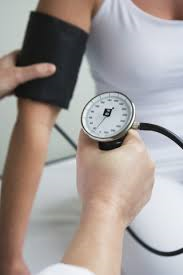
2.  Strength training reduces the risk of cardiovascular disease.  Heart disease risk is lower when the body is leaner and less fat.  Other associated benefits include decreased cholesterol levels and lowered resting blood pressure.  Strength training will also help improve glucose metabolism.  Poor glucose metabolism is strongly associated with adult onset diabetes.

3.    Strength training stimulates bone mineral density development and reduces the rate of bone loss.  This is crucial at younger ages for maximizing bone density.  It is also important in older individuals looking to prevent or slow down the bone-thinning disease osteoporosis as it decreases the likelihood of fractures and morbidity related to fractures.

4.  Building muscle through strength training is helpful for recovering from and preventing injury as it helps improve overall strength, endurance, stamina, flexibility, balance and coordination.
 
5.   Strength training can be beneficial for those suffering from arthritis.  Studies in older men and women with moderate to severe arthritis have shown that a strength training program can help general physical performance with everyday activities, and improve clinical signs and symptoms of the disease resulting in decreased pain and disability.

Below are some useful tips that can help individuals get safely started on a strength training program:

·     Strength training exercises can be accomplished with conventional weight-training equipment, hand-held "free weights", and resistance bands/tubing.  An individual can also use their own body weight while performing push-ups, pull-ups, dips, stair climbing, lunges, and wall squats.

·       Modest benefits from strength training can be seen with two to three training sessions a week lasting just 15 to 20 minutes each.  A resistance level heavy enough to tire your muscles after about 8 to 12 repetitions is sufficient.  When you can easily do 12 or more repetitions of a certain exercise, increase the weight or resistance.  Rest at least one full day between exercising each specific muscle group.

·    Always perform strength training in a safe manner with proper technique and stop if you feel pain.  Although mild muscle soreness is normal, sharp pain and sore or swollen joints are signs that you’ve overdone it and that your program/activity needs to be modified.

A lifetime of regular strength training exercise is ideal, but it is never too late to start!  If you are over 35, have been sedentary for some time, or have a specific health condition or limitation, consult with a knowledgeable health care provider before beginning any new exercise program.  For more information, visit www.nhwc.ca.

This article is a basic summary for educational purposes only.  It is not intended, and should not be considered, as a replacement for consultation, diagnosis or treatment by a duly licensed health practitioner.

Monday, December 3, 2018

The Health Benefits Of Strength Training


By Dr. John A. Papa, DC, FCCPOR(C)

Strength training is exercise that uses weights or resistance to strengthen and enhance a muscle’s ability to contract and do work.  Below are some of the numerous health benefits of strength training.

1.   Strength training plays a key role in body composition and weight management.  Simply put, strength training burns calories, improves body composition by building lean muscle tissue, and thereby reduces fat stores in the body.

2.  Strength training reduces the risk of cardiovascular disease.  Heart disease risk is lower when the body is leaner and less fat.  Other associated benefits include decreased cholesterol levels and lowered resting blood pressure.  Strength training will also help improve glucose metabolism.  Poor glucose metabolism is strongly associated with adult onset diabetes.

3.  Strength training stimulates bone mineral density development and reduces the rate of bone loss.  This is crucial at younger ages for maximizing bone density.  It is also important in older individuals looking to prevent or slow down the bone-thinning disease osteoporosis as it decreases the likelihood of fractures and morbidity related to fractures.

4.    Building muscle through strength training is helpful for recovering from and preventing injury as it helps improve overall strength, endurance, stamina, flexibility, balance and coordination.
 
5.    Strength training can be beneficial for those suffering from arthritis.  Studies in older men and women with moderate to severe arthritis have shown that a strength training program can help general physical performance with everyday activities, and improve clinical signs and symptoms of the disease resulting in decreased pain and disability.

Below are some useful tips that can help individuals get safely started on a strength training program:

·     Strength training exercises can be accomplished with conventional weight-training equipment, hand-held "free weights", and resistance bands/tubing.  An individual can also use their own body weight while performing push-ups, pull-ups, dips, stair climbing, lunges, and wall squats.

·      Modest benefits from strength training can be seen with two to three training sessions a week lasting just 15 to 20 minutes each.  A resistance level heavy enough to tire your muscles after about 8 to 12 repetitions is sufficient.  When you can easily do 12 or more repetitions of a certain exercise, increase the weight or resistance.  Rest at least one full day between exercising each specific muscle group.

·     Always perform strength training in a safe manner with proper technique and stop if you feel pain.  Although mild muscle soreness is normal, sharp pain and sore or swollen joints are signs that you’ve overdone it and that your program/activity needs to be modified.

A lifetime of regular strength training exercise is ideal, but it is never too late to start!  If you are over 35, have been sedentary for some time, or have a specific health condition or limitation, consult with a knowledgeable health care provider before beginning any new exercise program.  For more information, visit www.nhwc.ca.

This article is a basic summary for educational purposes only.  It is not intended, and should not be considered, as a replacement for consultation, diagnosis or treatment by a duly licensed health practitioner.
Monday, December 4, 2017

The Health Benefits Of Strength Training

By Dr. John A. Papa, DC, FCCPOR(C)

Strength training is exercise that uses weights or resistance to strengthen and enhance a muscle’s ability to contract and do work.  Below are some of the numerous health benefits of strength training.

1. Strength training plays a key role in body composition and weight management.  Simply put, strength training burns calories, improves body composition by building lean muscle tissue, and thereby reduces fat stores in the body.

2. Strength training reduces the risk of cardiovascular disease.  Heart disease risk is lower when the body is leaner and less fat.  Other associated benefits include decreased cholesterol levels and lowered resting blood pressure.  Strength training will also help improve glucose metabolism.  Poor glucose metabolism is strongly associated with adult onset diabetes.

3.    Strength training stimulates bone mineral density development and reduces the rate of bone loss.  This is crucial at younger ages for maximizing bone density.  It is also important in older individuals looking to prevent or slow down the bone-thinning disease osteoporosis as it decreases the likelihood of fractures and morbidity related to fractures.

4.  Building muscle through strength training is helpful for recovering from and preventing injury as it helps improve overall strength, endurance, stamina, flexibility, balance and coordination.
 
5.   Strength training can be beneficial for those suffering from arthritis.  Studies in older men and women with moderate to severe arthritis have shown that a strength training program can help general physical performance with everyday activities, and improve clinical signs and symptoms of the disease resulting in decreased pain and disability.

Below are some useful tips that can help individuals get safely started on a strength training program:

·     Strength training exercises can be accomplished with conventional weight-training equipment, hand-held "free weights", and resistance bands/tubing.  An individual can also use their own body weight while performing push-ups, pull-ups, dips, stair climbing, lunges, and wall squats.

·      Modest benefits from strength training can be seen with two to three training sessions a week lasting just 15 to 20 minutes each.  A resistance level heavy enough to tire your muscles after about 8 to 12 repetitions is sufficient.  When you can easily do 12 or more repetitions of a certain exercise, increase the weight or resistance.  Rest at least one full day between exercising each specific muscle group.

·       Always perform strength training in a safe manner with proper technique and stop if you feel pain.  Although mild muscle soreness is normal, sharp pain and sore or swollen joints are signs that you’ve overdone it and that your program/activity needs to be modified.

A lifetime of regular strength training exercise is ideal, but it is never too late to start!  If you are over 35, have been sedentary for some time, or have a specific health condition or limitation, consult with a knowledgeable health care provider before beginning any new exercise program.  For more information, visit www.nhwc.ca.


This article is a basic summary for educational purposes only.  It is not intended, and should not be considered, as a replacement for consultation, diagnosis or treatment by a duly licensed health practitioner.

Tuesday, June 23, 2015

The Health Benefits Of Strength Training

By Dr. John A. Papa, DC, FCCPOR(C)

Strength training is exercise that uses weights or resistance to strengthen and enhance a muscle’s ability to contract and do work.  Below are some of the numerous health benefits of strength training.

1.   Strength training plays a key role in body composition and weight management.  Simply put, strength training burns calories, improves body composition by building lean muscle tissue, and thereby reduces fat stores in the body.

2.    Strength training reduces the risk of cardiovascular disease. 
Heart disease risk is lower when the body is leaner and less fat.  Other associated benefits include decreased cholesterol levels and lowered resting blood pressure.  Strength training will also help improve glucose metabolism.  Poor glucose metabolism is strongly associated with adult onset diabetes.

3.    Strength training stimulates bone mineral density development and reduces the rate of bone loss.  This is crucial at younger ages for maximizing bone density.  It is also important in older individuals looking to prevent or slow down the bone-thinning disease osteoporosis as it decreases the likelihood of fractures and morbidity related to fractures.

4.    Building muscle through strength training is helpful for recovering from and preventing injury as it helps improve overall strength, endurance, stamina, flexibility, balance and coordination.
 
5.    Strength training can be beneficial for those suffering from arthritis.  Studies in older men and women with moderate to severe arthritis have shown that a strength training program can help general physical performance with everyday activities, and improve clinical signs and symptoms of the disease resulting in decreased pain and disability.

Below are some useful tips that can help individuals get safely started on a strength training program:

·        Strength training exercises can be accomplished with conventional weight-training equipment, hand-held "free weights", and resistance bands/tubing.  An individual can also use their own body weight while performing push-ups, pull-ups, dips, stair climbing, lunges, and wall squats.
 
·        Modest benefits from strength training can be seen with two to three training sessions a week lasting just 15 to 20 minutes each.  A resistance level heavy enough to tire your muscles after about 8 to 12 repetitions is sufficient.  When you can easily do 12 or more repetitions of a certain exercise, increase the weight or resistance.  Rest at least one full day between exercising each specific muscle group.

·        Always perform strength training in a safe manner with proper technique and stop if you feel pain.  Although mild muscle soreness is normal, sharp pain and sore or swollen joints are signs that you’ve overdone it and that your program/activity needs to be modified.


A lifetime of regular strength training exercise is ideal, but it is never too late to start!  If you are over 35, have been sedentary for some time, or have a specific health condition or limitation, consult with a knowledgeable health care provider before beginning any new exercise program.  For more information, visit www.nhwc.ca.

This article is a basic summary for educational purposes only.  It is not intended, and should not be considered, as a replacement for consultation, diagnosis or treatment by a duly licensed health practitioner.


Saturday, December 13, 2014

The Benefits Of Strength Training

By:  Dr. John A. Papa, DC, FCCPOR(C)

In our last article we introduced the concept of strength training.  Strength training can play a crucial role in preventing and reducing the signs and symptoms of several diseases and chronic conditions.  Let’s take a closer look at how strength training is specifically related to numerous health benefits.

1.    Strength training plays a key role in body composition and weight management.  Strength training builds lean muscle tissue.  Lean muscle tissue burns more calories at rest than fat.  Simply put, strength training burns calories, improves body composition by building lean muscle tissue, and thereby reduces fat stores in the body.

 
2.    Strength training is safe and beneficial for reducing the risk of cardiovascular disease.  Heart disease risk is lower when the body is leaner and less fat.  Other associated benefits include decreased cholesterol levels and lowered resting blood pressure.  Strength training will also help improve glucose metabolism.  Poor glucose metabolism is strongly associated with adult onset diabetes.

3.    There is strong scientific evidence that supports resistance training for reducing the rate of bone loss.  Progressive resistance exercise helps stimulate bone mineral density development, which is desired for individuals of all ages, especially the elderly.  Strength training is crucial at younger ages for maximizing bone density, and also for those looking to prevent or slow-down the bone-thinning disease osteoporosis.  Strength training should be implemented as a standard component of any osteoporosis treatment or prevention program, as it decreases the likelihood of fractures and morbidity related to fractures.

4.    Building muscle through strength training is helpful for recovering from and preventing injury.  Well-conditioned muscles help our bodies withstand occupational, recreational, and everyday stresses.  This enables us to interact with our environment in a more efficient manner.  Strength training helps improve overall strength, endurance, stamina, flexibility, balance and coordination.  This can be especially beneficial for those suffering from arthritis.  Studies in older men and women with moderate to severe arthritis have shown that a strength training program can help general physical performance with everyday activities, and improve clinical signs and symptoms of the disease resulting in decreased pain and disability.
 

5.    Strength training may also have a positive effect for those suffering from mild depression.  The reason for this is most likely two-fold.  Physiologically, the body releases “feel good” chemicals called endorphins with physical activity.  Psychologically, strength training exercise may help to increase self-esteem and confidence.  These benefits are further reinforced when an individual attains improved body composition and appearance, and enhanced health and fitness.

There are numerous health benefits associated with strength training exercise.  A lifetime of regular strength training exercise is ideal, but it is never too late to start!  If you are over 35, have been sedentary for some time, or have a specific health condition or limitation, consult with a knowledgeable personal trainer or health care provider before beginning any new exercise program.

This article is a basic summary for educational purposes only.  It is not intended, and should not be considered, as a replacement for consultation, diagnosis or treatment by a duly licensed health practitioner.